

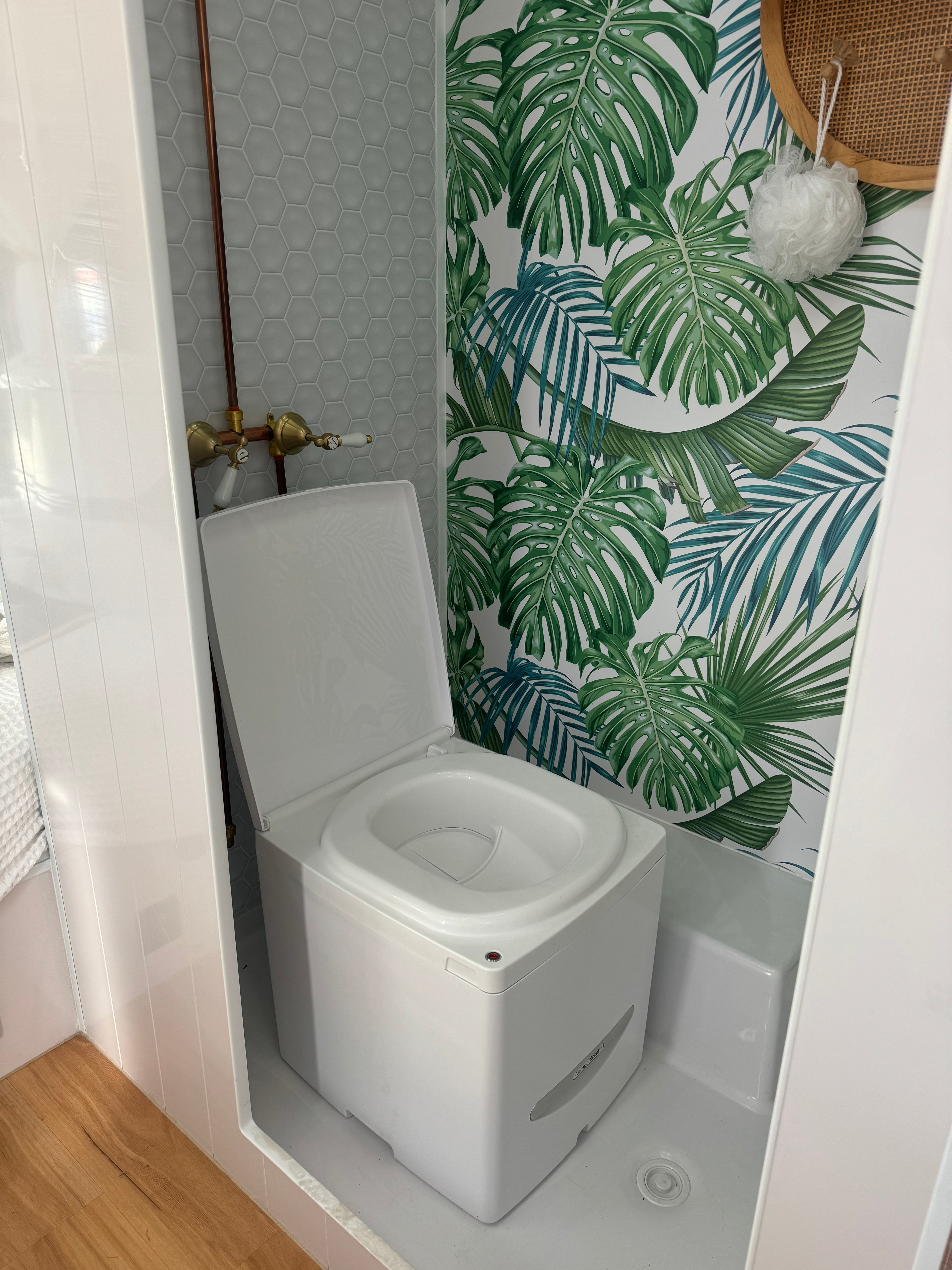
Choosing the Right Toilet for Your Caravan, Campervan or Camper Trailer
When setting up a caravan, campervan, boat or any travel home, one of the most important decisions is which toilet system to install.
The most common options are:
• Cassette toilets
• Sealing or bagging toilets
• Composting toilets
Each system has advantages and trade‑offs. The right choice depends on how you travel, how often you use the toilet, and whether you prefer convenience, or sustainability and independence from dump points.
This guide explains the differences so you can decide which system best suits your travel style.
The Three Main Toilet Systems Compared
|
Feature |
Cassette Toilet |
Sealing / Bagging Toilet |
Composting Toilet |
|
Waste handling |
Mixed liquid and solid waste stored in cassette |
Mixed liquid and solid waste sealed in disposable bags |
Liquids and solids separated |
|
Emptying frequency |
Every 1–3 days |
After a few uses |
Every 2–4 weeks if used full time. |
|
Chemicals required |
Usually yes |
No |
No |
|
Water required |
Yes |
No |
No |
|
Dependence on dump points |
High |
None |
None |
|
Environmental impact |
Chemical waste + water use |
Single use plastic bag waste for mixed liquids and solids |
Natural composting process |
|
Best suited for |
Caravan parks |
Occasional use |
Off‑grid travel |
Buy your Cuddy Composting Toilet
Environmental Impact
For many travellers today, sustainability is becoming an important part of choosing equipment.
Cassette toilets typically rely on chemical additives and water for flushing. These chemicals eventually enter waste systems through dump points.
Sealing toilets generate significant single‑use plastic waste through liners or bags.
Composting toilets take a different approach. They separate liquids and solids and use natural materials such as coconut coir to manage waste. Because they require no chemicals and no water, they are often considered the most environmentally responsible option for off‑grid travel.
Convenience: How Often Do You Want to Empty It?
Maintenance frequency is one of the biggest factors travellers consider.
Cassette toilets typically require emptying every one to three days when used regularly.
Sealing toilets require disposal after each use or a small number of uses.
Composting toilets can go weeks between emptying depending on use, which is why many long‑term travellers prefer them.
The 5 Biggest Mistakes People Make When Choosing a Caravan Toilet
Choosing based on what came with the caravan
Many caravans come fitted with cassette toilets by default. However, these systems were designed primarily for caravan park use. Travellers who spend time free camping often find the need to locate dump points inconvenient.
Underestimating how often cassette toilets need emptying
For a couple travelling together, cassette tanks may need emptying every one to three days. This can mean planning travel around dump points.
Ignoring water use
Cassette toilets use water with every flush, which increases water consumption during off‑grid travel. Composting toilets operate completely waterless.
Overlooking environmental impact
Chemical additives and disposable liners and bags create environmental impacts. Composting toilets rely on natural materials with no impact on the environment.
Not thinking about long‑term travel
A system that works for weekend trips may not suit long‑term travel. Reduced emptying frequency and independence from dump points become increasingly important if you are going on the road for an extended trip.
Real‑World Travel Scenarios
Touring caravan parks
Cassette toilets work well when dump points are readily available.
Free camping around Australia
Cassette toilets require frequent emptying while composting toilets allow longer intervals between maintenance.
Remote or off‑grid travel
Composting toilets work best because they require no water, chemicals or dump points.
Full‑time vanlife or tiny home living
Frequent cassette emptying becomes tedious, while composting toilets offer a more practical long‑term solution.
Frequently Asked Questions
Do composting toilets smell?
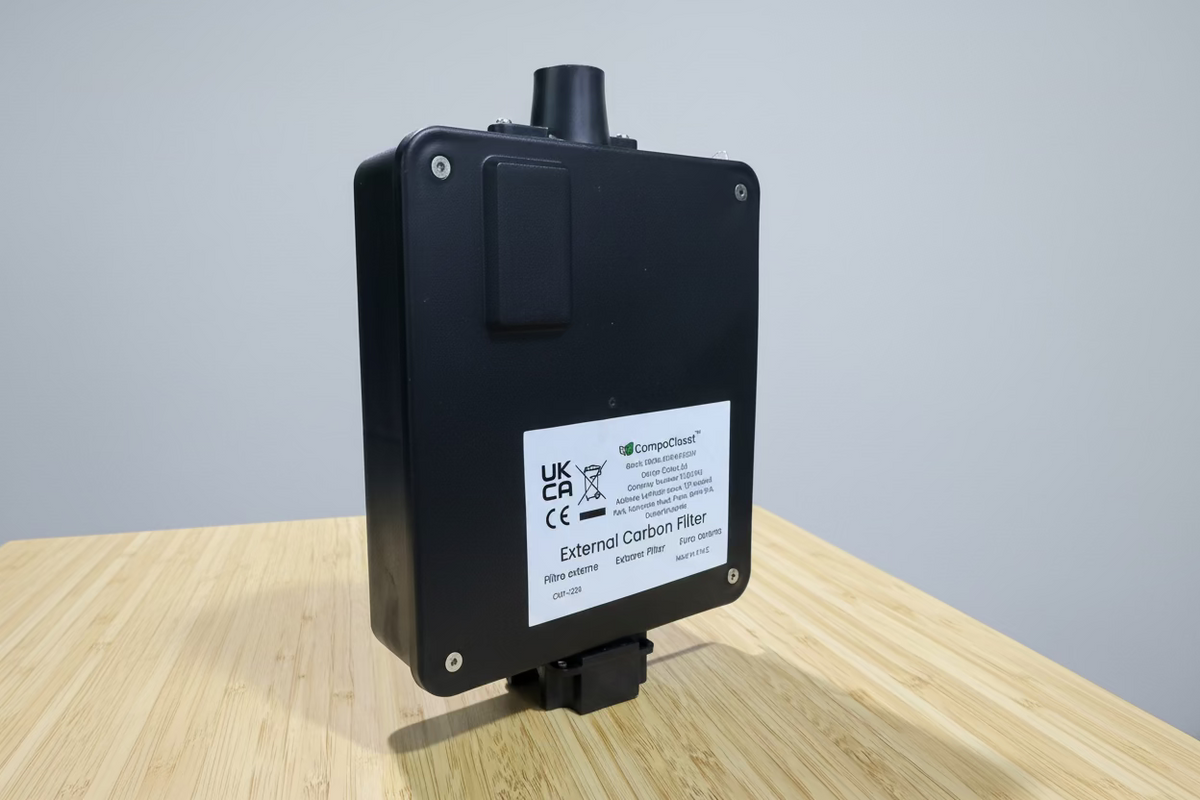
When used correctly, composting toilets produce very little odour thanks to ventilation and separation of liquids and solids.
How often do you empty a composting toilet?
For most couples using a composting toilet full-time, the solid waste container may only need emptying every two to four weeks. Much less if you use other toilets as you go.
Do composting toilets require chemicals?
No. Composting toilets use natural materials instead of chemical additives.

Share:
Why More Caravan Owners Are Switching to Composting Toilets
Which Compo Closet Toilet Is Right for You?