

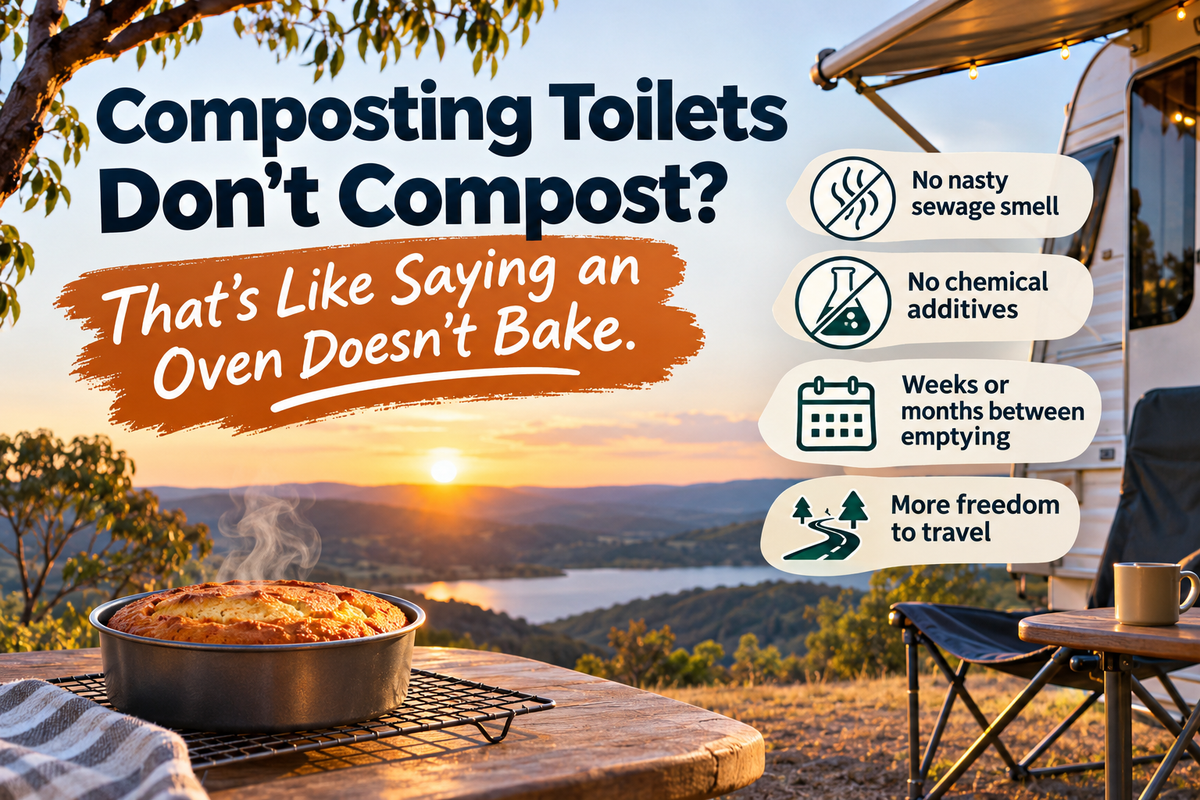
Composting Toilets Don't Compost? That's Like Saying an Oven Doesn't Bake.
One of the most common misunderstandings about composting toilets goes something like this:
"They're not really composting toilets because the waste isn't fully composted when you empty it."
At first glance, that sounds reasonable. Until you apply the same logic to almost anything else.
Imagine pulling a cake out of the oven after ten minutes and declaring:
"This isn't a baking oven. The cake isn't finished!"
Of course it isn't finished. But it's definitely baking.
That's because baking is a process, not a destination. And so is composting.
And here's what the critics often overlook: you don't have to wait until the composting process is finished to enjoy the benefits of it.
For travellers, those benefits start almost immediately.
Composting vs Composted
The clue is right there in the name:
CompostING toilet.
Not:
CompostED toilet.
A composting toilet creates the conditions for composting to occur. The process can begin as soon as waste enters the system.
Microorganisms get to work. Moisture levels are managed. Carbon-rich material provides structure. Air circulates through the system. The contents are mixed and aerated.
That's composting.
Just because the process hasn't reached the finish line doesn't mean the race isn't underway.
And importantly, the benefits aren't reserved for the finish line either.
The Benefits Start Long Before the Compost Is Finished
Here's where things get particularly interesting for caravan, RV, boat and off-grid travellers.
The real benefit of a composting toilet isn't that you eventually produce compost. It's what happens to your waste along the way.
By separating liquids from solids, managing moisture and encouraging aerobic decomposition, a properly designed and operated composting toilet changes the entire toilet experience.
And travellers enjoy those advantages right from the start.
No nasty sewage smell. Separating urine from solids, managing moisture and providing ventilation help prevent the conditions that produce the familiar stench of a conventional waste tank.
No chemical additives. There's no need to rely on chemical toilet treatments to mask or control the smell of stored sewage.
Weeks or even months between emptying solids. Rather than regularly hunting for a dump point, many travellers can go weeks or months before needing to empty their solids container, depending on usage and capacity.
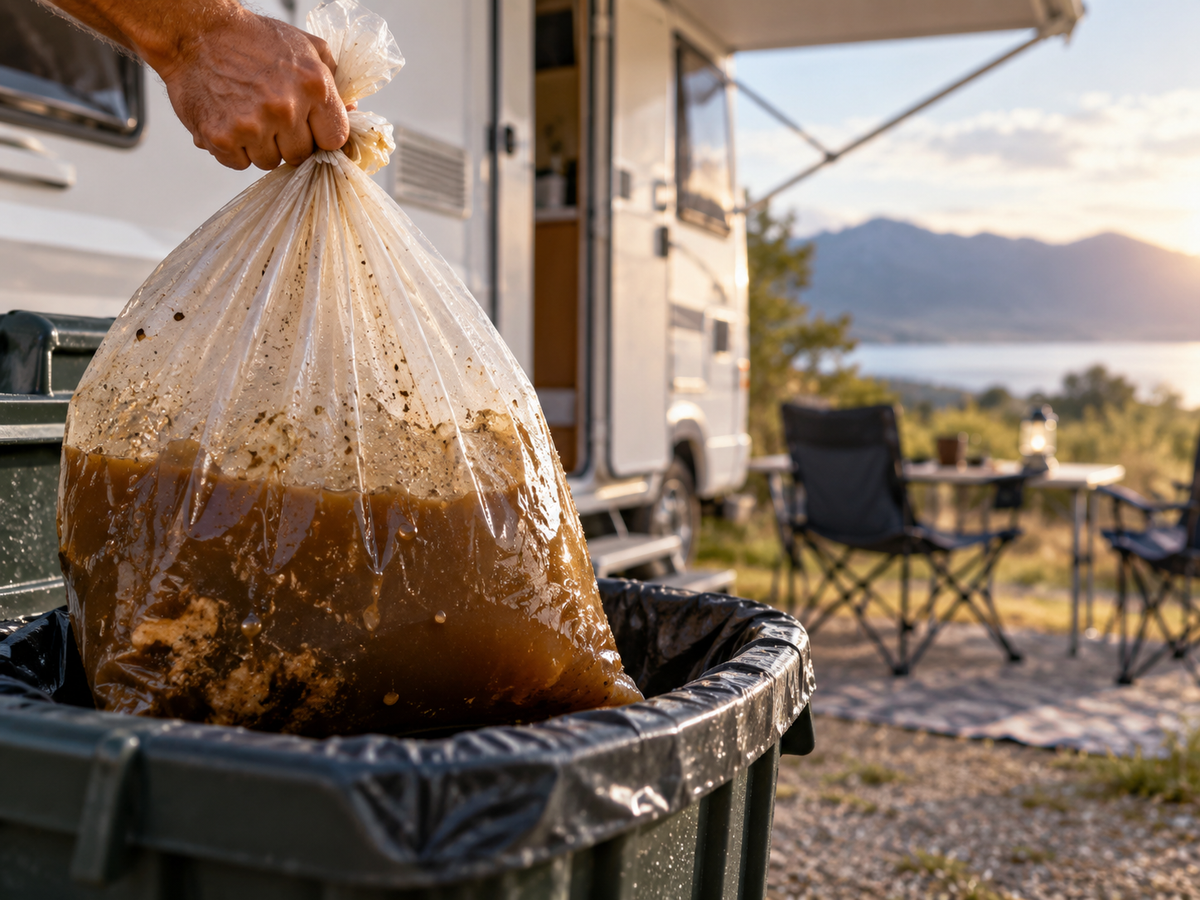
No blackwater tank full of sewage. The solids are managed separately, rather than being mixed with urine into a sloshing tank of raw sewage.
More freedom to travel. Fewer emptying stops, less dependence on dump points and one less unpleasant job to organise your adventures around.
And here's the important bit:
You get these benefits while the composting process is happening, not just when it's finished.
That's the whole point.
Nobody buys a composting toilet because they're desperate to manufacture a few litres of finished compost while travelling around Australia.
They buy one because they want a cleaner, more pleasant, chemical-free toilet experience with far less waste-handling hassle.
The composting process helps make that possible.
What Makes a Composting Toilet Different?
A genuine composting toilet isn't simply a bucket with a seat on top.
It is designed to encourage biological decomposition through a combination of:
-
Separation of liquids and solids
-
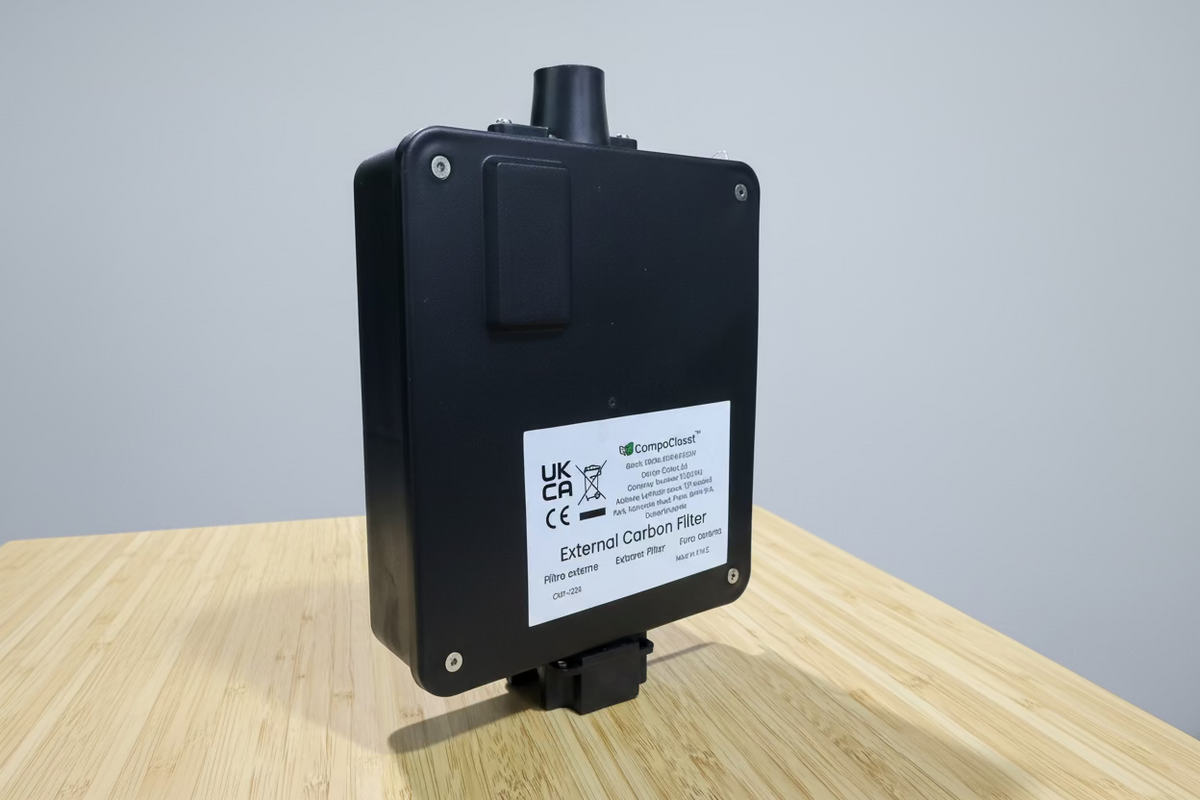
Continuous airflow and ventilation
-
Moisture management and reduction
-
Aerobic microbial activity
-
Carbon-rich composting medium
-
Agitation or mixing of solids
These conditions fundamentally change what happens inside the toilet compared with a conventional cassette or portable toilet.
In a conventional toilet tank, urine and solids are generally mixed together and stored until disposal. That creates the very conditions responsible for much of the smell and unpleasantness associated with emptying chemical toilets.
In a composting toilet, those conditions are deliberately avoided.
The solids are kept relatively dry, air is introduced and biological decomposition is encouraged.
One system is primarily storing sewage. The other is managing waste through a biological process.
There's a big difference.
And you can smell that difference. Or rather, you generally can't.
The "Fully Composted" Myth
Here's the reality.
Complete composting of human waste can take many months, and safe treatment requires appropriate conditions and sufficient time.
Most caravan, RV, boat and tiny home users will empty their solids container before the material is fully composted.
And that's perfectly normal.
The fact that you remove material before the composting cycle is complete doesn't somehow undo the biological activity that has already occurred.
That would be like saying:
-
Dough isn't baking because you took it out early.
-
Wine isn't fermenting because the process isn't complete.
-
A child isn't growing because they're not an adult.
The process is still happening.
And throughout that process, the toilet has already been delivering the very benefits its owner purchased it for.
Less smell. No chemical additives. Longer intervals between emptying.
The traveller has already won, even if the compost isn't finished.
Of course, partially processed human waste still needs to be handled and disposed of responsibly. Composting in progress doesn't automatically make material safe to use as garden compost.
But that's a question of safe disposal, not whether composting has been occurring.
It's Not Magic. It's Biology.
Composting is the biological breakdown of organic matter by microorganisms under the right conditions. Those microorganisms don't wait six months before clocking on for work.
They can start working from day one, and you can accelerate that process by using our COMPO CHARGE Liquid Compost Booster.
As time passes in a properly maintained composting toilet, biological decomposition progresses, moisture is managed and the material gradually changes. Meanwhile, the practical benefits of urine separation, ventilation and moisture control are already doing their job.
That's what makes this technology so useful for travellers.
You don't need to complete the composting process to benefit from it. You just need to create the right conditions for it to begin.
So What's the Verdict?
If your definition of a composting toilet is that its contents must emerge as fully finished compost every time they're emptied, then almost no portable composting toilet would qualify.
But that's not how composting works.
A composting toilet is called a composting toilet because it creates the conditions for composting to occur.
The process starts early. It continues while the material is in the toilet. And with appropriate handling, it can continue after the material is removed.
But for the traveller, the most important part is what happens in the meantime.
No chemical treatments. No offensive sewage smell when properly operated. Weeks or months between solids emptying for many users. And far less dependence on dump points.
Those aren't benefits waiting at the end of a months-long composting process.
They're benefits you can start enjoying from your very first trip.
So the next time someone says:
"Composting toilets don't actually compost."
You can smile and reply:
"That's like saying an oven doesn't bake because the cake isn't finished yet."
The process is what matters. And the benefits start long before the process is finished.
Share:
Which Compo Closet Toilet Is Right for You?
Compo Closet Reviews: Cuddy Composting Toilet, Australia